

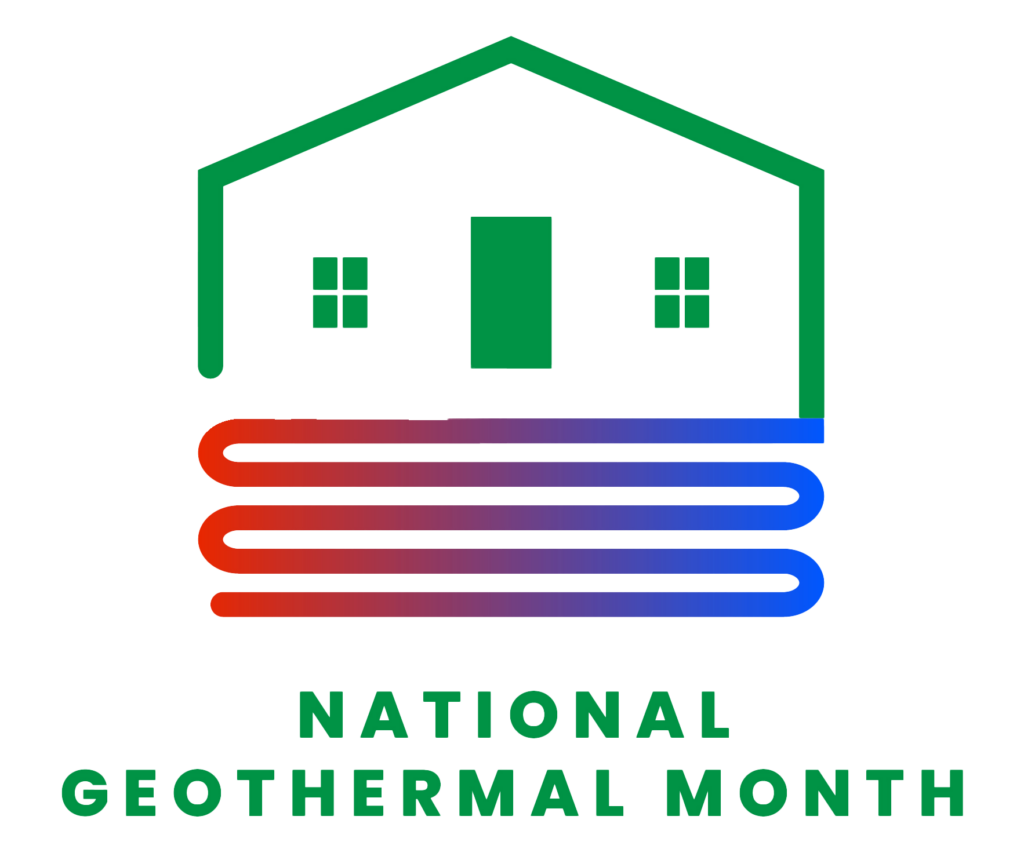
The International Ground Source Heat Pump Association (IGSHPA) and Geothermal Exchange Organization (GeoExchange) have designated April 2024 as National Geothermal Month. This designation was created to bring public awareness and build momentum of geothermal heat pump applications. This renewable energy source has been quietly powering, heating, and cooling, homes, businesses, and industries around the globe for decades, yet its significance often remains underestimated in the broader conversation about sustainable energy solutions.
Harnessing the Earth’s Heat: Exploring the Benefits of Geothermal Heat Pumps
In the quest for sustainable energy solutions, geothermal heat pumps emerge as a quiet yet powerful contender. These innovative systems leverage the Earth’s natural heat to provide efficient heating, cooling, and even hot water for residential and commercial buildings. As we strive towards decarbonization and electrification, understanding the potential of geothermal heat pumps becomes increasingly crucial.
How Geothermal Heat Pumps Work
At the core of geothermal heat pumps lies a simple yet ingenious principle: transferring heat between the Earth and a building to maintain comfortable indoor temperatures. Unlike traditional HVAC systems that rely on fossil fuels or electricity to generate heat or cool air, geothermal heat pumps harness the relatively stable temperatures found just a few feet below the Earth’s surface.
The process begins with a loop system buried underground, either horizontally in trenches or vertically in boreholes. This loop contains a fluid (usually a mixture of water and antifreeze) that circulates through the ground, absorbing heat in winter and releasing it in summer. In heating mode, the fluid extracts heat from the ground and carries it to the heat pump, where it’s used to warm the air inside the building. Conversely, in cooling mode, the heat pump removes heat from indoor air and transfers it back into the ground.
The Benefits of Geothermal Heat Pumps
Energy Efficiency: Geothermal heat pumps are renowned for their exceptional energy efficiency. By tapping into the Earth’s renewable heat, they can achieve heating efficiencies of over 300% and cooling efficiencies of 400% or more, significantly surpassing conventional heating and cooling systems.
Cost Savings: While the initial installation costs of geothermal heat pumps may be higher than those of traditional systems, the long-term savings can be substantial. Lower energy bills, reduced maintenance costs, and potential tax incentives or rebates can make geothermal systems a financially attractive investment over time.
Environmental Sustainability: Geothermal heat pumps produce minimal greenhouse gas emissions and have a significantly lower environmental impact compared to fossil fuel-based heating and cooling systems. By transitioning to geothermal technology, buildings can drastically reduce their carbon footprint.
Year-Round Comfort: Unlike air-source heat pumps, which may struggle to maintain efficiency in extreme temperatures, geothermal heat pumps offer consistent performance throughout the year. The stable temperatures below ground ensure reliable heating in winter and efficient cooling in summer, providing occupants with unparalleled comfort.
Durability and Reliability: Geothermal heat pumps are known for their durability and longevity. With fewer moving parts and minimal exposure to external elements, these systems often require less maintenance and have a longer lifespan than conventional HVAC units.
As we strive to transition towards a more sustainable and environmentally conscious future, geothermal heat pumps emerge as a compelling solution for meeting our heating and cooling needs. With their impressive energy efficiency, cost savings, and minimal environmental impact, these systems offer a promising alternative to traditional HVAC technology. With awareness and technological advances, geothermal heat pumps have the potential to play a significant role in shaping the buildings of tomorrow.